Energy transition projects present unique delivery challenges. Despite their critical importance, they suffer from the same failures plaguing megaprojects globally.
Prof. Bent Flyvbjerg's research reveals that 91.5% of megaprojects experience cost overruns averaging 27%, while oil & gas projects – the closest proxy to hydrogen, CCUS, and sustainable fuels – show 34% mean cost overruns. Schedule delays affect 71% of projects, averaging 27% longer than planned, with actual benefits delivering only 73% of forecasts.
This isn't random failure, it's systemic, stemming from fundamental flaws in contracting, planning and decision-making approaches. For energy transition projects, with their inherent first-of-a-kind (FOAK) nature and the limited delivery experience of the many new developers and stakeholders entering the field, these challenges are amplified.
Plan & design slowly: Front end loading revival
The central insight dividing successful from failed projects is the thinking-to-delivery ratio. Successful projects invest extensively in "thinking slow" – deep, careful planning that challenges assumptions and stress-tests scenarios. Failed projects rush through planning to reach exciting groundbreaking phases, only discovering flaws when fixes are expensive.
Front End Loading isn't new to many heavy industries, where bespoke design approaches dominate. However, energy transition developers often adopt the commoditized, formulaic planning approaches common in renewable power projects. Applying solar and wind planning methodologies is risky, as they rely on OEMs offering design-one-build-many deployments that are highly modular and scale through repetition. By contrast ammonia and SAF projects require more upfront custom engineering, and simplifying the planning and design process leads to significant challenges and rework. This causes numerous developers to halt projects as cost and schedule estimates inflate during detailed design phases.
Make it modular: The architecture of success
Flyvbjerg's analysis shows projects with repeatable units that can be factory-built or assembled, like solar PV with thousands of panels and inverters, vastly improve delivery success versus bespoke one-offs like nuclear plants. Modularity transforms massive delivery risks into multiple smaller, manageable risks. If one module encounters problems, it doesn't jeopardize the entire program. Wind farms, battery storage, and electrolyzer-based hydrogen facilities should benefit from repeating module philosophies. Most electrolyzer OEMs embrace this approach, though limited installations to date mean efficiency gains haven’t yet been realised.
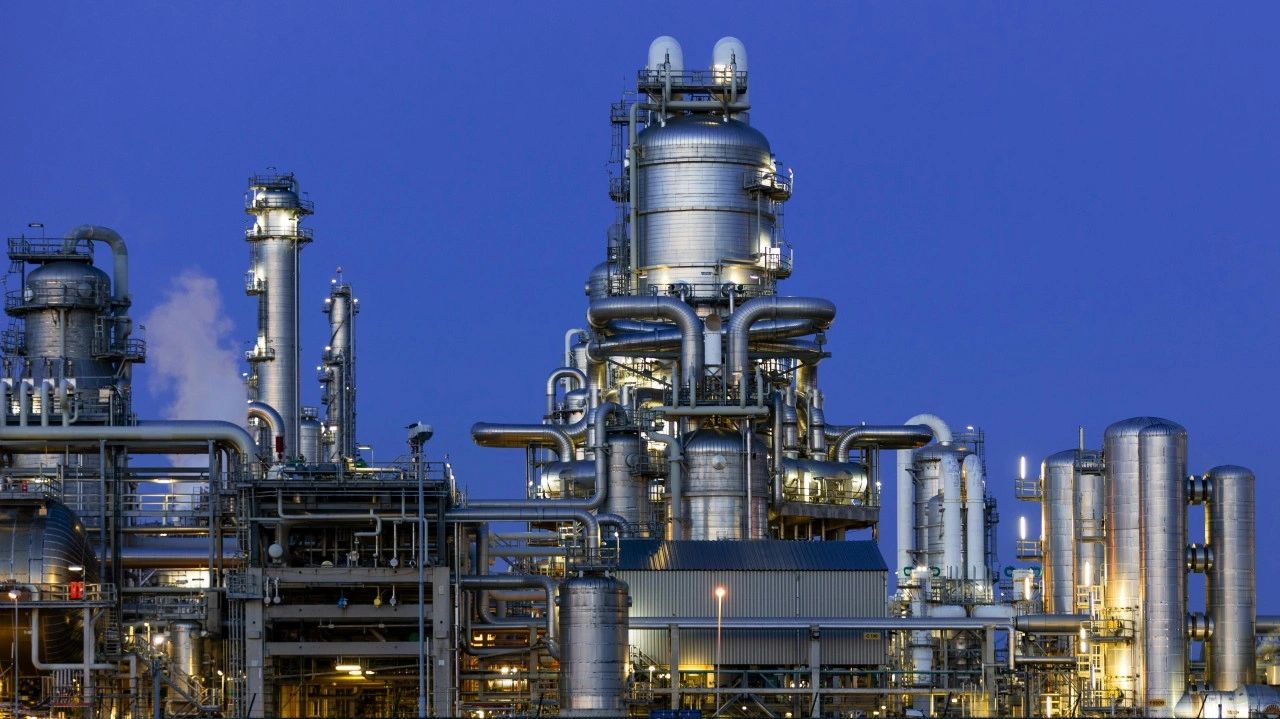
Complex green molecules (methanol, ammonia, SAF) however, rely on process designs derived from petrochemicals or refining, where the core technology typically comes as single large reactors optimized for scales not necessarily suited to current energy transition projects. However, modularity and standardization principles can still apply. Designing projects in modules for controlled yard execution yields significant advantages when incorporated during slow planning stages. Early supply chain and technology provider engagement unlocks benefits from standard unit sizing, requiring early design thinking.
Experience counts: Stand on the shoulders of giants
Energy transition projects face dual challenges: lacking exact reference classes as most remain FOAK, making cost and schedule estimation difficult, and being among the first examples of particular project/technology combinations, limiting available experience curves.
This perspective falls into classic planning and uniqueness fallacy. Most energy transition projects are petrochemical or refining projects in different wrappers. A wealth of experience exists within developers, OEMs, and engineering contractors who've delivered similar project types, uncovering standardization opportunities from closest reference classes, while still managing for the process safety & environmental risks inherent with these projects.
Integrated project governance: Fit-for-purpose controls
Project developers often succeed with agile delivery in early stages, but as projects mature, complexity becomes overwhelming without structured management and governance approaches for risk identification, understanding, and mitigation.
Structured stage gate approaches ensure all project elements progress in parallel, avoiding overspending on work requiring later redo as other critical inputs weren't equally matured. Risk identification, management, and mitigation can also often become an afterthought, particularly when transitioning from industries with mature, predictable risk profiles. Green molecule projects involve higher technical complexity, greater interaction with safety and environmental legislation, and given policy newness around these projects, elevated regulatory risk requiring early planning for efficient management.

Conclusions
Energy transition projects combine new/FOAK process technology with renewable energy system elements, spanning industry experiences from oil & gas to renewables to waste management. Finding appropriate benchmark combinations doesn't suit monochromatic teams or development processes.
At Stratus Energy Partners, we've developed a tailored playbook leveraging decades of process industry experience from the EPC/contracting world as well as the project owner’s side of the table, while accounting for green molecule project characteristics. If you’d like to talk to us more about our approach or how this would look in practice for your assets or projects, please feel free to drop us a message.
Originally published on LinkedIn.